Understanding Light Green Technology: A Step Towards Sustainable Innovation
In recent years, the world has witnessed a growing awareness of environmental issues and the urgent need for sustainable solutions. Among the various approaches to addressing these challenges, "Light Green Technology" has emerged as a significant concept. This term refers to technologies that aim to reduce environmental impact through moderate changes and improvements, rather than radical overhauls. Light green technology is about finding a balance between progress and preservation, allowing for technological advancement while minimizing harm to the planet.
The Concept of Light Green Technology
Light green technology can be understood as a middle ground between traditional technology and deep green solutions, which advocate for a complete shift towards sustainability. It emphasizes incremental changes and the adoption of practices that are less harmful to the environment. Unlike deep green technologies, which often require significant lifestyle changes or large-scale infrastructure overhauls, light green technology focuses on more practical and immediately implementable solutions.
The idea behind light green technology is to make the transition to a more sustainable world more accessible to individuals, businesses, and governments. By adopting technologies that offer environmental benefits without requiring drastic changes, it is possible to make progress towards sustainability without overwhelming resistance or economic disruption.
Examples of Light Green Technology
There are numerous examples of light green technology across various sectors. These technologies are designed to reduce environmental impact while still being cost-effective and relatively easy to implement.
The Role of Light Green Technology in Business
Businesses have a crucial role to play in the adoption and promotion of light green technology. By integrating these technologies into their operations, companies can reduce their environmental impact while also improving their bottom line. Light green technology can lead to cost savings through increased efficiency, reduced waste, and lower energy consumption.
Moreover, businesses that embrace light green technology can enhance their reputation and appeal to environmentally conscious consumers. As more people become aware of environmental issues, there is a growing demand for products and services that align with sustainable practices. Companies that adopt light green technology can differentiate themselves in the marketplace and build a loyal customer base.
Challenges and Opportunities
While light green technology offers many benefits, it also faces certain challenges. One of the main challenges is the perception that these technologies are merely a "halfway" solution that does not go far enough in addressing environmental issues. Critics argue that light green technology may delay the adoption of more radical, deep green solutions that are necessary for long-term sustainability.
However, there are also significant opportunities associated with light green technology. For one, it allows for a gradual transition towards sustainability, which can be more manageable and less disruptive. Additionally, light green technology can serve as a stepping stone towards more comprehensive solutions, as it raises awareness and demonstrates the feasibility of environmentally friendly practices.
Light Green Technology in the Context of Global Environmental Goals
The global community has set ambitious environmental goals, such as those outlined in the Paris Agreement and the United Nations Sustainable Development Goals (SDGs). Light green technology can play a role in helping to achieve these objectives by providing practical, scalable solutions that can be adopted by a wide range of stakeholders.
For example, the adoption of energy-efficient technologies can contribute to the SDG of affordable and clean energy, while the use of green building materials can support the goal of sustainable cities and communities. By incorporating light green technology into their strategies, governments and organizations can make progress towards these goals in a way that is both effective and economically viable.
The Future of Light Green Technology
Looking ahead, the future of light green technology is likely to be shaped by ongoing advancements in science and engineering. As research and development continue, new technologies will emerge that offer even greater environmental benefits with fewer trade-offs. This could include innovations in areas such as renewable energy storage, sustainable agriculture, and resource-efficient manufacturing.
Moreover, as public awareness and demand for sustainability grow, there will be increased pressure on companies and governments to adopt light green technology. This will create a positive feedback loop, where the adoption of these technologies leads to further innovation and improvement, ultimately contributing to a more sustainable world.
Conclusion: The Importance of Embracing Light Green Technology
In conclusion, light green technology represents a pragmatic approach to environmental sustainability. By focusing on moderate, incremental changes that are both feasible and effective, it offers a pathway towards a more sustainable future without requiring drastic sacrifices. While it may not be a complete solution, light green technology is an important part of the broader effort to protect the planet and ensure a livable future for generations to come.
As businesses, governments, and individuals continue to seek ways to reduce their environmental impact, light green technology will play a critical role in enabling this transition. By embracing these technologies, we can make meaningful progress towards sustainability while still enjoying the benefits of modern technology and economic growth. The journey towards a greener world is a collective effort, and light green technology offers a way to take the first steps on this important path.
In recent years, the world has witnessed a growing awareness of environmental issues and the urgent need for sustainable solutions. Among the various approaches to addressing these challenges, "Light Green Technology" has emerged as a significant concept. This term refers to technologies that aim to reduce environmental impact through moderate changes and improvements, rather than radical overhauls. Light green technology is about finding a balance between progress and preservation, allowing for technological advancement while minimizing harm to the planet.
The Concept of Light Green Technology
Light green technology can be understood as a middle ground between traditional technology and deep green solutions, which advocate for a complete shift towards sustainability. It emphasizes incremental changes and the adoption of practices that are less harmful to the environment. Unlike deep green technologies, which often require significant lifestyle changes or large-scale infrastructure overhauls, light green technology focuses on more practical and immediately implementable solutions.
The idea behind light green technology is to make the transition to a more sustainable world more accessible to individuals, businesses, and governments. By adopting technologies that offer environmental benefits without requiring drastic changes, it is possible to make progress towards sustainability without overwhelming resistance or economic disruption.
Examples of Light Green Technology
There are numerous examples of light green technology across various sectors. These technologies are designed to reduce environmental impact while still being cost-effective and relatively easy to implement.
- Energy-Efficient Appliances: One of the most common examples of light green technology is energy-efficient appliances. These products consume less electricity or water compared to their traditional counterparts, thereby reducing the overall environmental footprint. Examples include LED lighting, energy-efficient refrigerators, and low-flow showerheads.
- Hybrid Vehicles: Hybrid cars, which combine a traditional internal combustion engine with an electric motor, are another example of light green technology. While not as environmentally friendly as fully electric vehicles, hybrids still offer a significant reduction in emissions compared to conventional gasoline-powered cars.
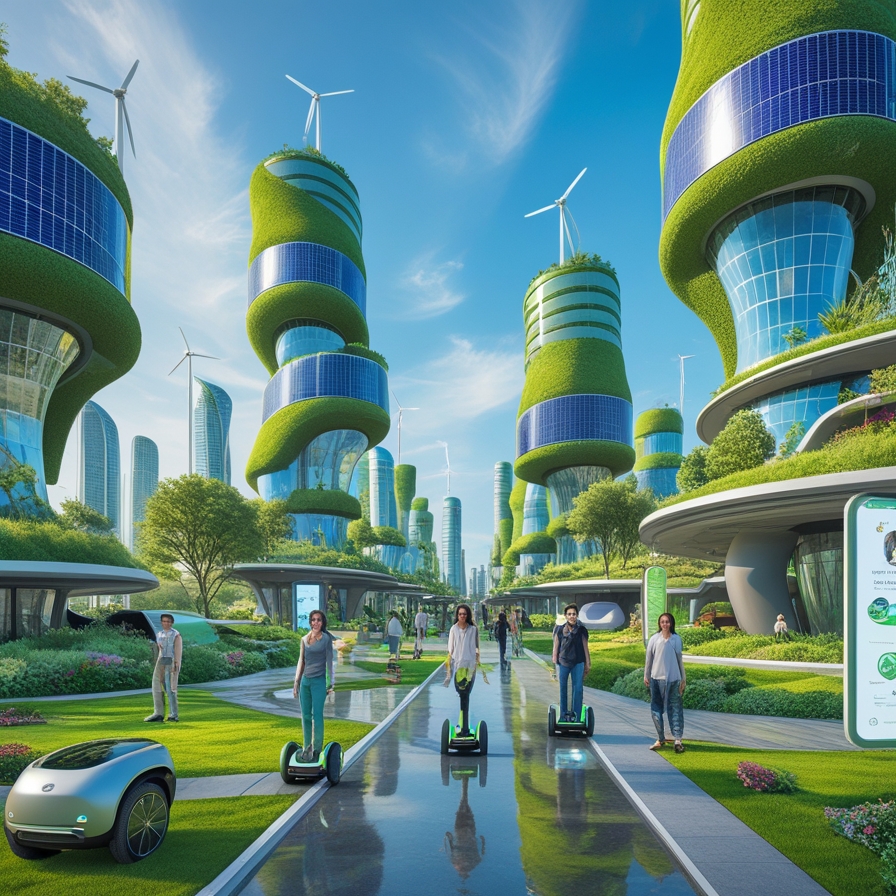
- Green Building Materials: The use of green building materials, such as recycled steel, bamboo, or low-VOC (volatile organic compounds) paints, represents a light green approach to construction. These materials reduce the environmental impact of building projects without compromising on quality or performance.
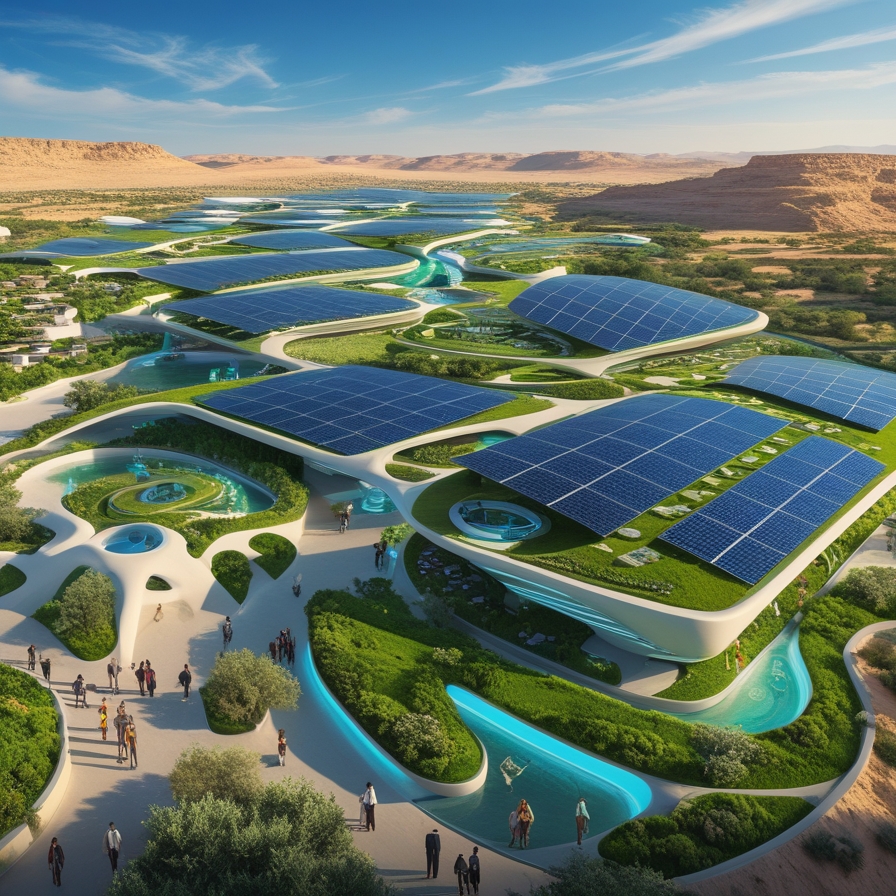
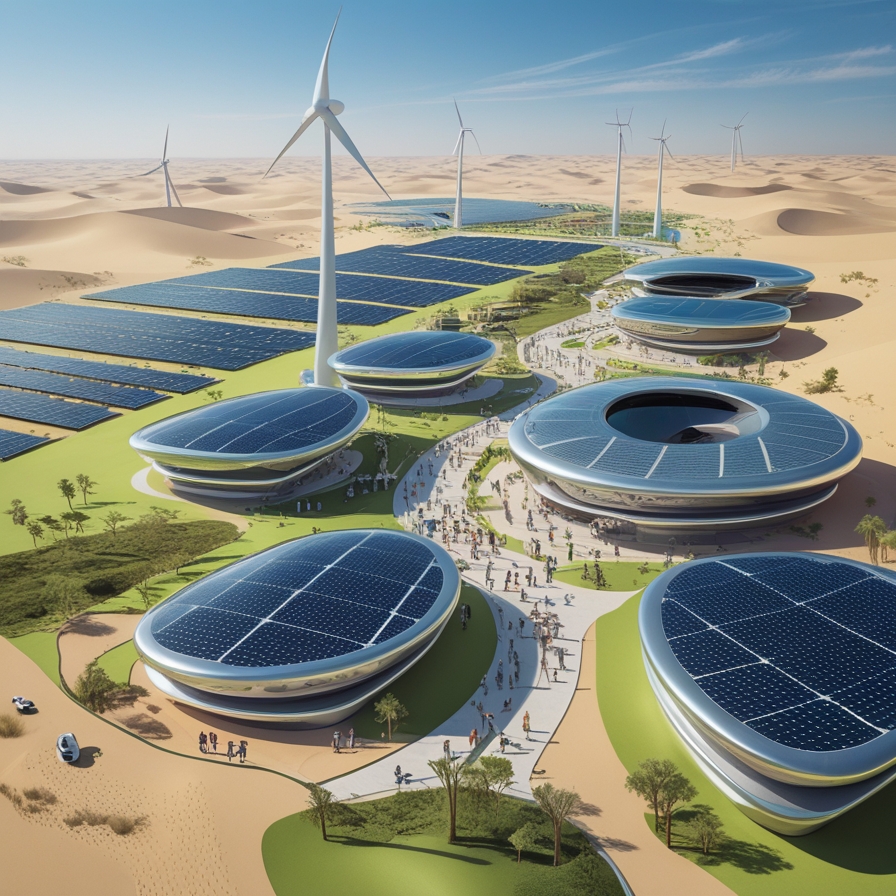
- Renewable Energy Integration: Light green technology also encompasses the integration of renewable energy sources, such as solar panels or wind turbines, into existing energy grids. While this may not completely eliminate the reliance on fossil fuels, it reduces the overall carbon footprint and promotes cleaner energy production.
The Role of Light Green Technology in Business
Businesses have a crucial role to play in the adoption and promotion of light green technology. By integrating these technologies into their operations, companies can reduce their environmental impact while also improving their bottom line. Light green technology can lead to cost savings through increased efficiency, reduced waste, and lower energy consumption.
Moreover, businesses that embrace light green technology can enhance their reputation and appeal to environmentally conscious consumers. As more people become aware of environmental issues, there is a growing demand for products and services that align with sustainable practices. Companies that adopt light green technology can differentiate themselves in the marketplace and build a loyal customer base.
Challenges and Opportunities
While light green technology offers many benefits, it also faces certain challenges. One of the main challenges is the perception that these technologies are merely a "halfway" solution that does not go far enough in addressing environmental issues. Critics argue that light green technology may delay the adoption of more radical, deep green solutions that are necessary for long-term sustainability.
However, there are also significant opportunities associated with light green technology. For one, it allows for a gradual transition towards sustainability, which can be more manageable and less disruptive. Additionally, light green technology can serve as a stepping stone towards more comprehensive solutions, as it raises awareness and demonstrates the feasibility of environmentally friendly practices.
Light Green Technology in the Context of Global Environmental Goals
The global community has set ambitious environmental goals, such as those outlined in the Paris Agreement and the United Nations Sustainable Development Goals (SDGs). Light green technology can play a role in helping to achieve these objectives by providing practical, scalable solutions that can be adopted by a wide range of stakeholders.
For example, the adoption of energy-efficient technologies can contribute to the SDG of affordable and clean energy, while the use of green building materials can support the goal of sustainable cities and communities. By incorporating light green technology into their strategies, governments and organizations can make progress towards these goals in a way that is both effective and economically viable.
The Future of Light Green Technology
Looking ahead, the future of light green technology is likely to be shaped by ongoing advancements in science and engineering. As research and development continue, new technologies will emerge that offer even greater environmental benefits with fewer trade-offs. This could include innovations in areas such as renewable energy storage, sustainable agriculture, and resource-efficient manufacturing.
Moreover, as public awareness and demand for sustainability grow, there will be increased pressure on companies and governments to adopt light green technology. This will create a positive feedback loop, where the adoption of these technologies leads to further innovation and improvement, ultimately contributing to a more sustainable world.
Conclusion: The Importance of Embracing Light Green Technology
In conclusion, light green technology represents a pragmatic approach to environmental sustainability. By focusing on moderate, incremental changes that are both feasible and effective, it offers a pathway towards a more sustainable future without requiring drastic sacrifices. While it may not be a complete solution, light green technology is an important part of the broader effort to protect the planet and ensure a livable future for generations to come.
As businesses, governments, and individuals continue to seek ways to reduce their environmental impact, light green technology will play a critical role in enabling this transition. By embracing these technologies, we can make meaningful progress towards sustainability while still enjoying the benefits of modern technology and economic growth. The journey towards a greener world is a collective effort, and light green technology offers a way to take the first steps on this important path.